RiseWell – Healthy habits for a brighter future.
Home

Test your knowledge
question 1 (Enter the capital letter)
question 2 (Enter the capital letter)
question 3 (Enter the capital letter)
Result
Sleep
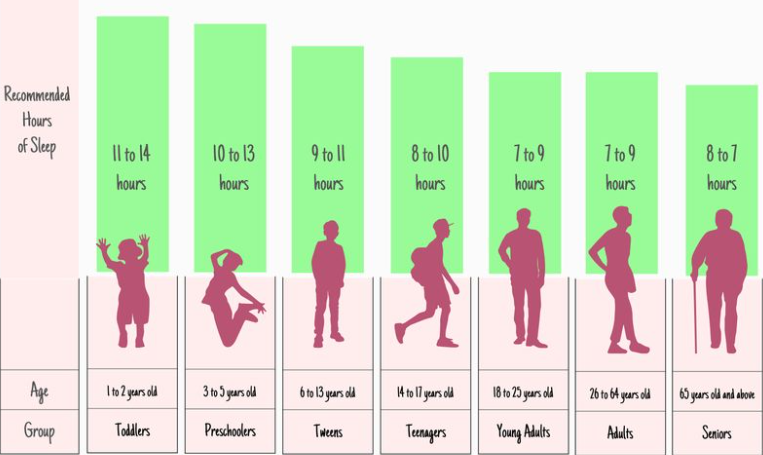
Why sleep is important
1. Brain Development & Learning
Sleep helps with memory consolidation, meaning teens can better retain and process information from school. It improves problem-solving, critical thinking, and creativity.
2. Emotional Well-being
Lack of sleep can lead to mood swings, irritability, and even symptoms of anxiety and depression. Well-rested teens are better at handling stress and social interactions.
3. Physical Health
Growth hormones are released during deep sleep, which is crucial for physical development. Sleep strengthens the immune system, helping teens fight off illnesses.
Sleep helps with memory consolidation, meaning teens can better retain and process information from school. It improves problem-solving, critical thinking, and creativity.
2. Emotional Well-being
Lack of sleep can lead to mood swings, irritability, and even symptoms of anxiety and depression. Well-rested teens are better at handling stress and social interactions.
3. Physical Health
Growth hormones are released during deep sleep, which is crucial for physical development. Sleep strengthens the immune system, helping teens fight off illnesses.
4. Academic & Athletic Performance
Sleep improves focus, reaction time, and coordination—important for both school and sports. Teens who sleep well tend to have better grades and fewer attention problems.
5. Reducing Risky Behaviors
Sleep deprivation has been linked to poor decision-making, increased risk-taking, and even car accidents (drowsy driving is a real danger for teen drivers).
Sleep improves focus, reaction time, and coordination—important for both school and sports. Teens who sleep well tend to have better grades and fewer attention problems.
5. Reducing Risky Behaviors
Sleep deprivation has been linked to poor decision-making, increased risk-taking, and even car accidents (drowsy driving is a real danger for teen drivers).
Exercise
The best kind of exercise for teenagers is a mix of aerobic exercise, strength training, and flexibility workouts because it supports overall physical and mental health.
Running, swimming, biking, dancing, playing sports, Bodyweight exercises (push-ups, squats, planks) and Yoga are all examples of exercise that are good for teenagers.
Running, swimming, biking, dancing, playing sports, Bodyweight exercises (push-ups, squats, planks) and Yoga are all examples of exercise that are good for teenagers.
Why Exercise is Important for Teenagers
Supports Growth & Development: Helps build strong bones and muscles.
Boosts Mental Health: Reduces stress, anxiety, and depression while improving mood.
Enhances Academic Performance: Exercise increases blood flow to the brain, improving focus and memory.
Builds Healthy Habits for Life: Encourages lifelong fitness and prevents obesity, diabetes, and heart disease.
Improves Sleep: Active teens tend to sleep better, which helps with energy levels and mood.
How much Exercise Do Teens Need:
teens need At least 60 minutes per day of moderate to vigorous activity.
Healthy eating
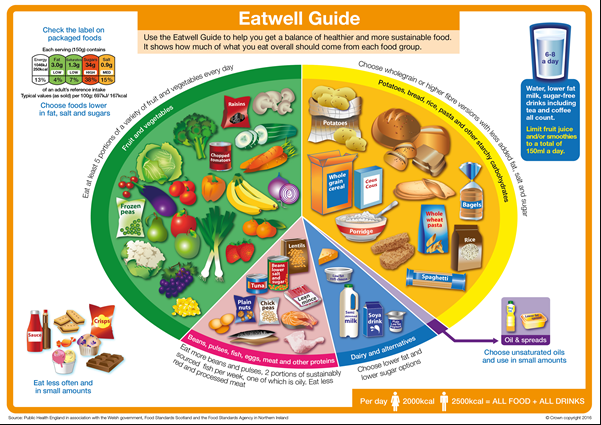
A well-balanced diet should include:
Protein: Helps build muscles and tissues (found in lean meats, eggs, beans, tofu, fish, and dairy).
Carbohydrates: Provide energy (whole grains like brown rice, whole wheat bread, oats, and quinoa).
Healthy Fats: Support brain function (nuts, seeds, avocados, olive oil, and fatty fish).
Fruits & Vegetables: Essential vitamins, minerals, and fiber (aim for a variety of colors).
Dairy or Alternatives: For strong bones and teeth (milk, yogurt, cheese, or plant-based alternatives with calcium).
Protein: Helps build muscles and tissues (found in lean meats, eggs, beans, tofu, fish, and dairy).
Carbohydrates: Provide energy (whole grains like brown rice, whole wheat bread, oats, and quinoa).
Healthy Fats: Support brain function (nuts, seeds, avocados, olive oil, and fatty fish).
Fruits & Vegetables: Essential vitamins, minerals, and fiber (aim for a variety of colors).
Dairy or Alternatives: For strong bones and teeth (milk, yogurt, cheese, or plant-based alternatives with calcium).
Mental health
Taking care of your mental health is just as important as looking after your physical health, especially during your teenage years. Here is a few reasons why:
Emotional Well-Being
Teens go through a lot of changes: physically, emotionally, and socially. Good mental health helps you handle stress, build strong relationships, and develop a positive self-image.
Teens go through a lot of changes: physically, emotionally, and socially. Good mental health helps you handle stress, build strong relationships, and develop a positive self-image.
Better Academic Performance
When you're mentally healthy, it is easier to focus, learn, and perform well in school. Anxiety and stress can make it harder to concentrate and retain information.
When you're mentally healthy, it is easier to focus, learn, and perform well in school. Anxiety and stress can make it harder to concentrate and retain information.
How to Take Care of Your Mental Health:
Talk About Your Feelings: Don’t bottle things up; talking to someone you trust can help.
Stay Active: Exercise releases endorphins, which boost mood.
Eat Well: A healthy diet supports brain function and mood.
Get Enough Sleep: Lack of sleep can increase stress and anxiety.
Limit Social Media: Too much social media can negatively impact self-esteem and mental well-being.
Practice Mindfulness: Techniques like meditation or deep breathing can help manage stress.
Seek Help When Needed: There’s no shame in talking to a counselor, teacher, or mental health professional if you're struggling.
there are many people you can reach out to if you are struggling with your mental health like a trusted teacher or friend, there are also services you can call like the NHS Mental health service
Talk About Your Feelings: Don’t bottle things up; talking to someone you trust can help.
Stay Active: Exercise releases endorphins, which boost mood.
Eat Well: A healthy diet supports brain function and mood.
Get Enough Sleep: Lack of sleep can increase stress and anxiety.
Limit Social Media: Too much social media can negatively impact self-esteem and mental well-being.
Practice Mindfulness: Techniques like meditation or deep breathing can help manage stress.
Seek Help When Needed: There’s no shame in talking to a counselor, teacher, or mental health professional if you're struggling.
there are many people you can reach out to if you are struggling with your mental health like a trusted teacher or friend, there are also services you can call like the NHS Mental health service
Hygiene
Importance of Good Hygiene for Teens
Good hygiene is essential for teenagers as it helps maintain health, boost confidence, and promote social acceptance. During adolescence, hormonal changes lead to increased sweat, oil production, and body odor, making proper hygiene even more critical.
Good hygiene is essential for teenagers as it helps maintain health, boost confidence, and promote social acceptance. During adolescence, hormonal changes lead to increased sweat, oil production, and body odor, making proper hygiene even more critical.
1.Prevents Illness:
Good hygiene helps prevent infections, colds, flu, and skin conditions like acne.
2.Boosts Self-Confidence:
Feeling clean and fresh improves self-esteem and reduces self-consciousness.
3.Enhances Social Life:
Poor hygiene can lead to body odor and bad breath, which may affect friendships and relationships
Good hygiene helps prevent infections, colds, flu, and skin conditions like acne.
2.Boosts Self-Confidence:
Feeling clean and fresh improves self-esteem and reduces self-consciousness.
3.Enhances Social Life:
Poor hygiene can lead to body odor and bad breath, which may affect friendships and relationships
4.Promotes Healthy Skin and Hair:
Washing regularly prevents acne, dandruff, and oily skin.
5.Reduces Body Odor:
Proper hygiene practices keep body odor under control, making interactions more comfortable.
6.Encourages Independence:
Learning hygiene habits teaches responsibility and self-care.
Washing regularly prevents acne, dandruff, and oily skin.
5.Reduces Body Odor:
Proper hygiene practices keep body odor under control, making interactions more comfortable.
6.Encourages Independence:
Learning hygiene habits teaches responsibility and self-care.
Hygiene Tips for Teens:
Daily Showering: Shower at least once a day, especially after sweating or exercising. Use soap and warm water to remove dirt and bacteria.
Deodorant or Antiperspirant :Helps control body odor and sweating.
Oral Care: Brush teeth twice a day and floss daily to prevent cavities and bad breath.
Handwashing: Wash hands regularly, especially before eating and after using the restroom, to prevent illness.
Hair Care: Wash hair regularly based on hair type (daily for oily hair, every few days for drier hair).
Facial Care: Cleanse face twice a day to prevent acne and breakouts. Use products suited for your skin type.
Wear Clean Clothes: Change clothes, socks, and underwear daily to stay fresh and odor-free.
Trim Nails: Keep nails short and clean to prevent the spread of germs.
Menstrual Hygiene (for girls): Change sanitary products regularly and maintain cleanliness to avoid infections.
Foot Hygiene: Wash feet daily and wear clean socks to prevent odor and fungal infections.
Daily Showering: Shower at least once a day, especially after sweating or exercising. Use soap and warm water to remove dirt and bacteria.
Deodorant or Antiperspirant :Helps control body odor and sweating.
Oral Care: Brush teeth twice a day and floss daily to prevent cavities and bad breath.
Handwashing: Wash hands regularly, especially before eating and after using the restroom, to prevent illness.
Hair Care: Wash hair regularly based on hair type (daily for oily hair, every few days for drier hair).
Facial Care: Cleanse face twice a day to prevent acne and breakouts. Use products suited for your skin type.
Wear Clean Clothes: Change clothes, socks, and underwear daily to stay fresh and odor-free.
Trim Nails: Keep nails short and clean to prevent the spread of germs.
Menstrual Hygiene (for girls): Change sanitary products regularly and maintain cleanliness to avoid infections.
Foot Hygiene: Wash feet daily and wear clean socks to prevent odor and fungal infections.